The fake parcel scam: how to spot the trap text
“Your parcel could not be delivered, choose a new time slot.” This text is designed to steal your card details. Here’s how to spot it.
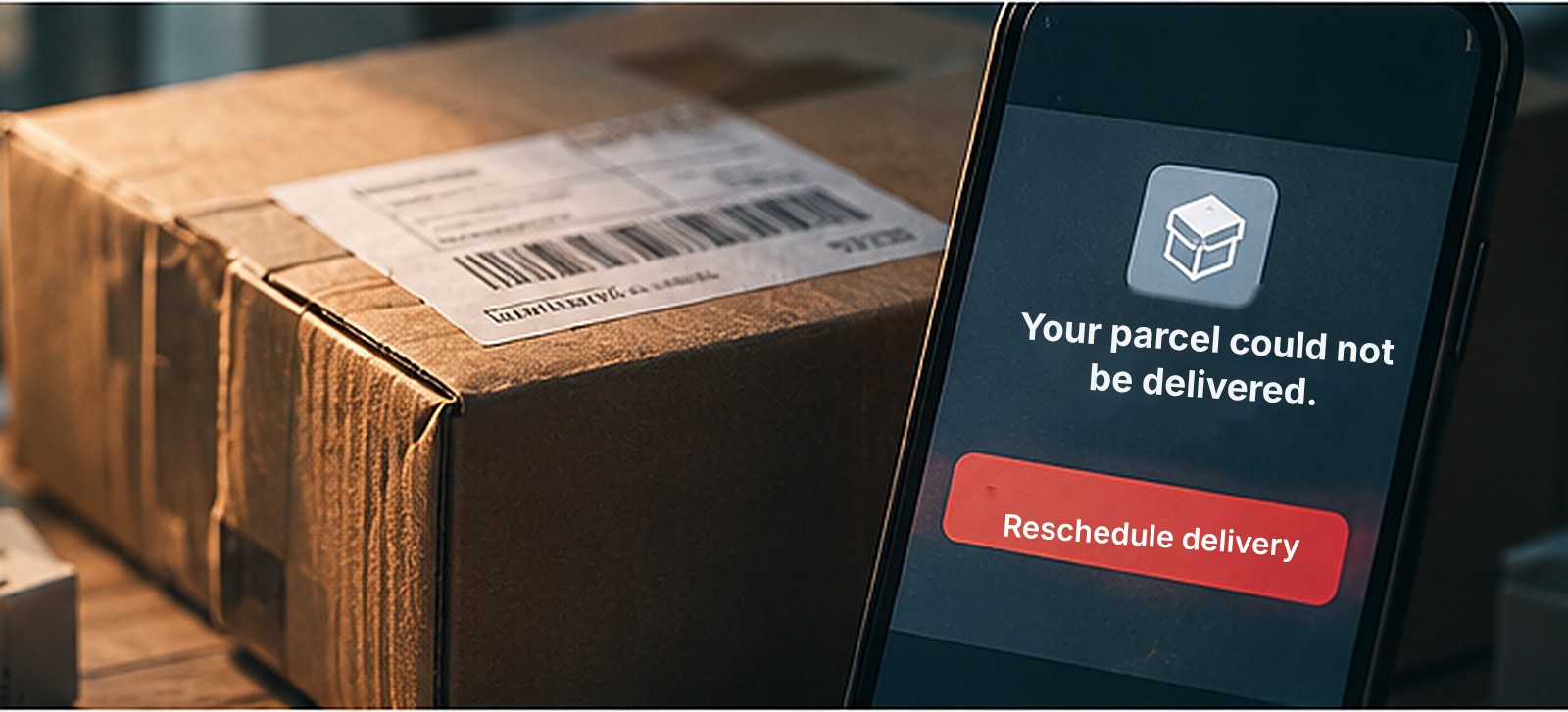
You may well be expecting a parcel. That is exactly what the scammer is counting on: a short text, an urgent tone, a link.
How the scam works
A fake courier says your parcel couldn’t be delivered and invites you to pick a new time slot through a link. The site imitates a real delivery company. It first asks for your email, phone number, name and address, then your card details for a so-called redelivery fee.
As the French consumer association Que Choisir points out, this data can then be used for a second scam: the fake bank adviser, who calls you already knowing your name and your bank.
Warning signs
- The message comes from an ordinary mobile number: big delivery companies don’t contact customers that way.
- The website address isn’t the official courier’s, and it changes often.
- You’re asked to pay for a new delivery.
- You’re asked for a lot of personal information before the parcel is even mentioned.
The right reflex
Don’t click. If you really are expecting a parcel, track it from the seller’s or courier’s official website or app, typing the address yourself. In France, you can forward the scam text to 33700, the number for reporting unwanted texts.
With Afensia, copy the link without opening it and paste it into the link checker: you’ll know in seconds whether it leads to a fraudulent site.
If you’ve already given your card details
Call your bank to block your card and ask them to watch for suspicious payments. Then report the fraud: in France on 17cyber.gouv.fr, elsewhere to your national cybercrime reporting service, and file a police report, as your bank may ask for it.