Rigged QR codes on parking meters: the right reflexes
“Quishing” means sticking a fake QR code on a parking meter, a charging station or a fake fine notice. How to spot it before you pay.
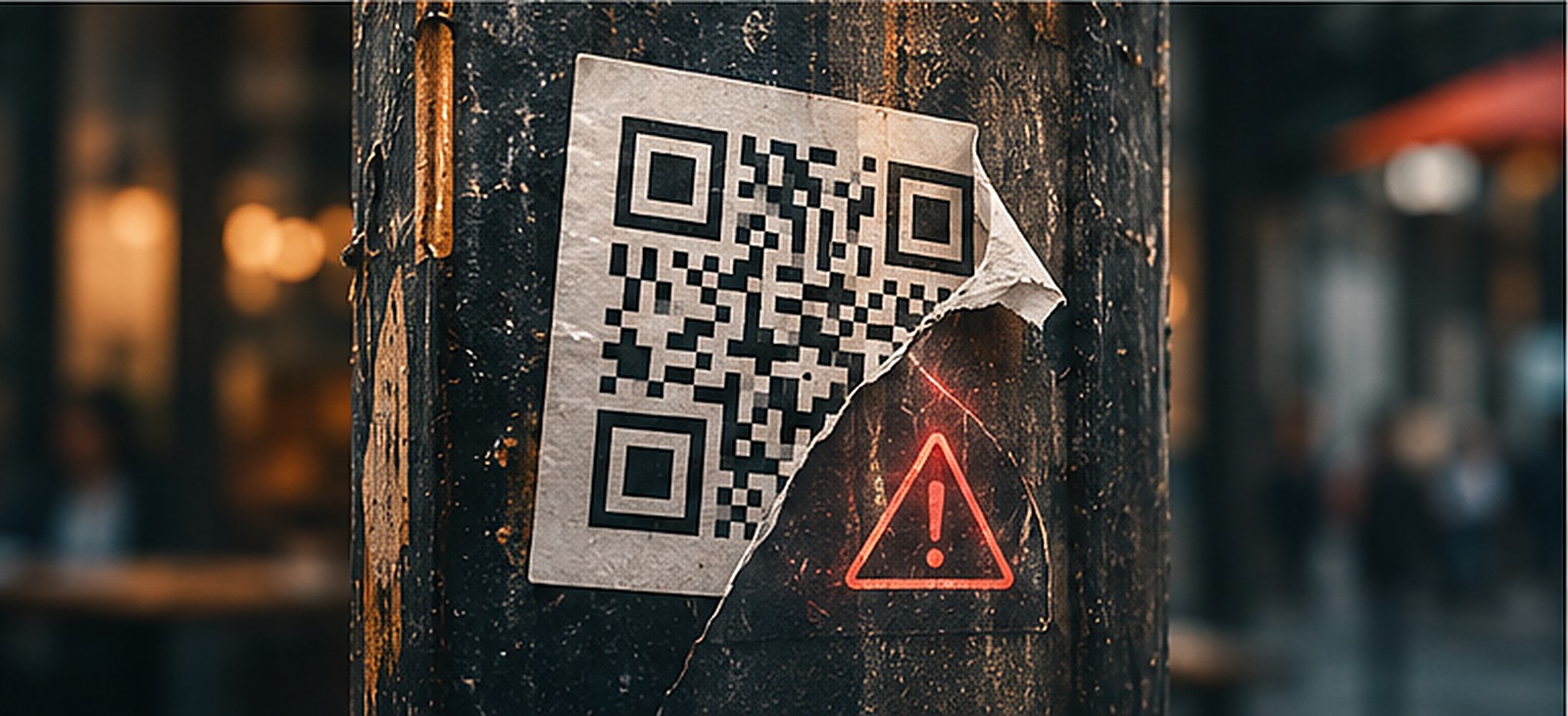
Scanning a QR code has become a reflex to pay for parking, charge a car or look at a menu. Scammers have noticed. The technique has a name: “quishing”, a blend of “QR code” and “phishing”.
How the scam works
The scammer creates a QR code that leads to a fake website or a malicious file. They stick it over the real code on a parking meter or a charging station, print it on a fake fine or delivery notice, or send it by email. The victim scans it, enters their card details, and the scammer gets their data or their money.
Warning signs
- A sticker on the machine: if a second QR code shows underneath, that’s a red flag.
- A web address that doesn’t match the expected site after the scan.
- A page that immediately asks for your personal or bank details.
- A QR code received by email, increasingly used in phishing campaigns.
The right reflex
Pay for parking or charging directly on the machine, or in an app you downloaded yourself from the official store. For a dubious fine notice, don’t scan it: type the official website address yourself (in France, amendes.gouv.fr).
With Afensia, scan the QR code from the app: it shows you where it leads before you open the page.
If you’ve already paid
Call your bank immediately to block your card, then get help: in France on 17cyber.gouv.fr, elsewhere from your national cybercrime reporting service. You can also file a police report.